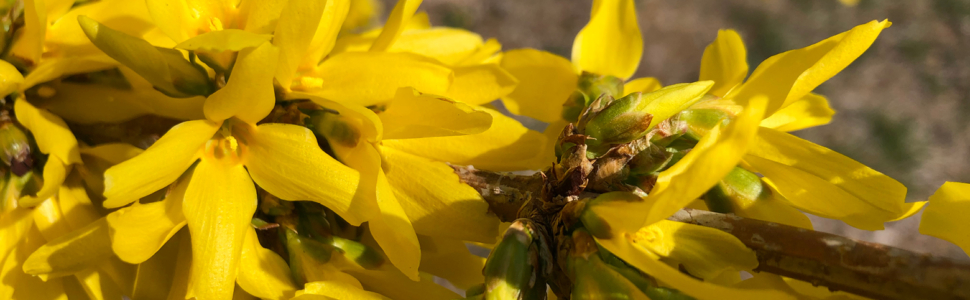
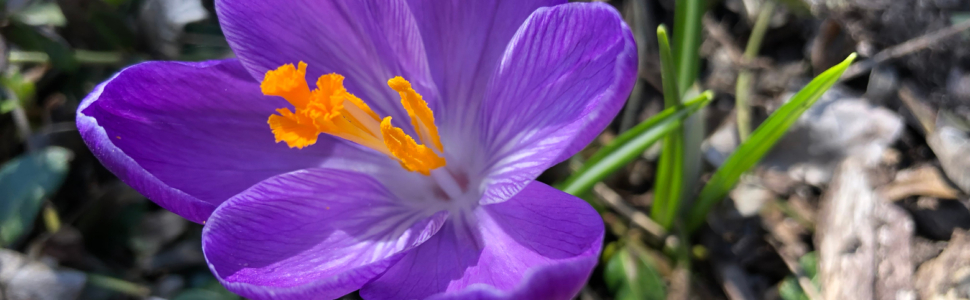
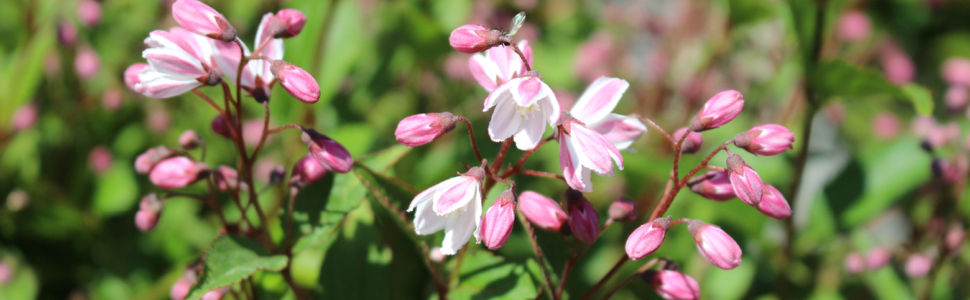
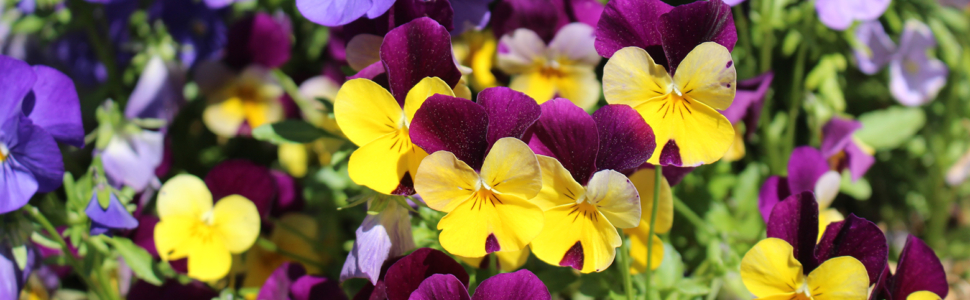
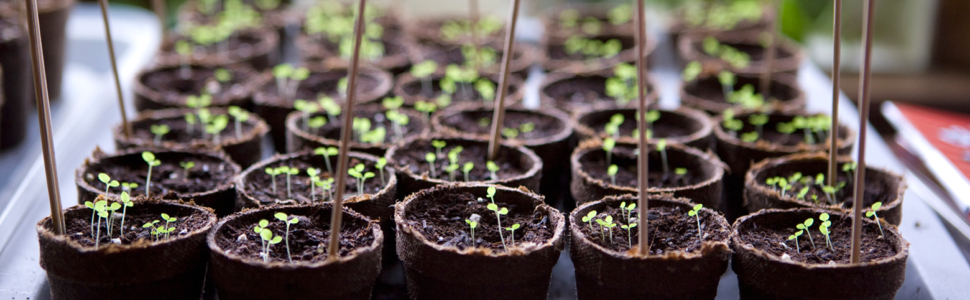
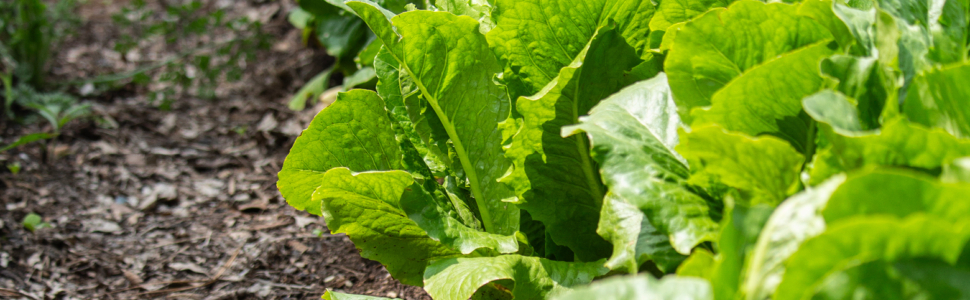
Spring is a magical time in the garden, signaling renewal and the emergence of native plants that have weathered the winter dormancy. Recognizing these early bloomers and foliage can help gardeners plan for succession planting, provide early food for pollinators, and ensure a cohesive, thriving landscape. Understanding their characteristics and growth habits is key to identifying and nurturing them successfully.
Understanding Native Plant Emergence
Native plants have evolved to respond to local seasonal cues such as temperature, soil moisture, and day length. In early spring, many perennials, shrubs, and trees break dormancy with subtle signals—tiny shoots, swollen buds, or early flowers. Recognizing these cues allows gardeners to provide appropriate care, such as early mulching, protective watering, or frost precautions.
Key Identification Tips
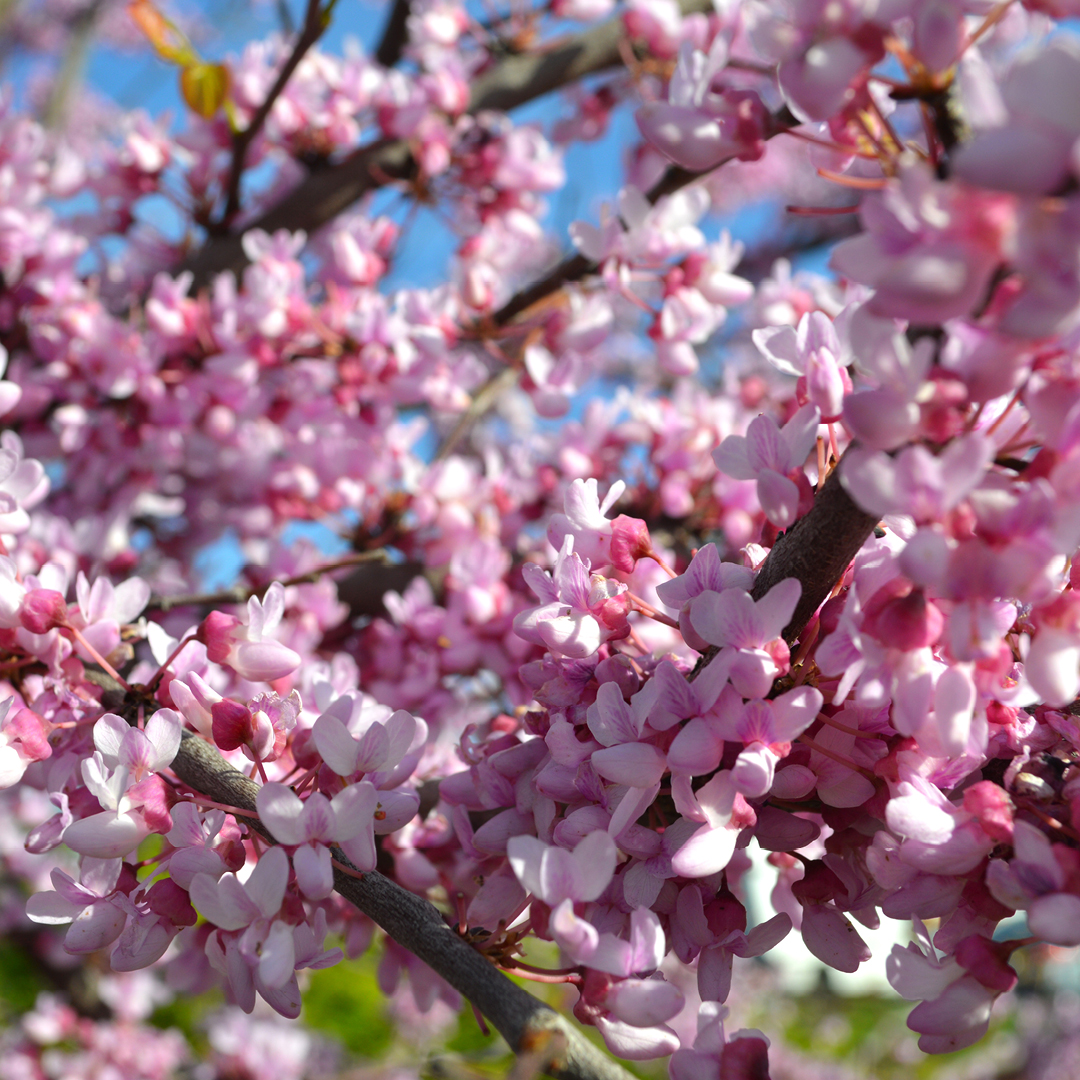
- Bud Characteristics: Look for swollen, often brightly colored or fuzzy buds on trees and shrubs. Species such as witch hazel, spicebush, and redbud exhibit distinct early swelling before leaf emergence.
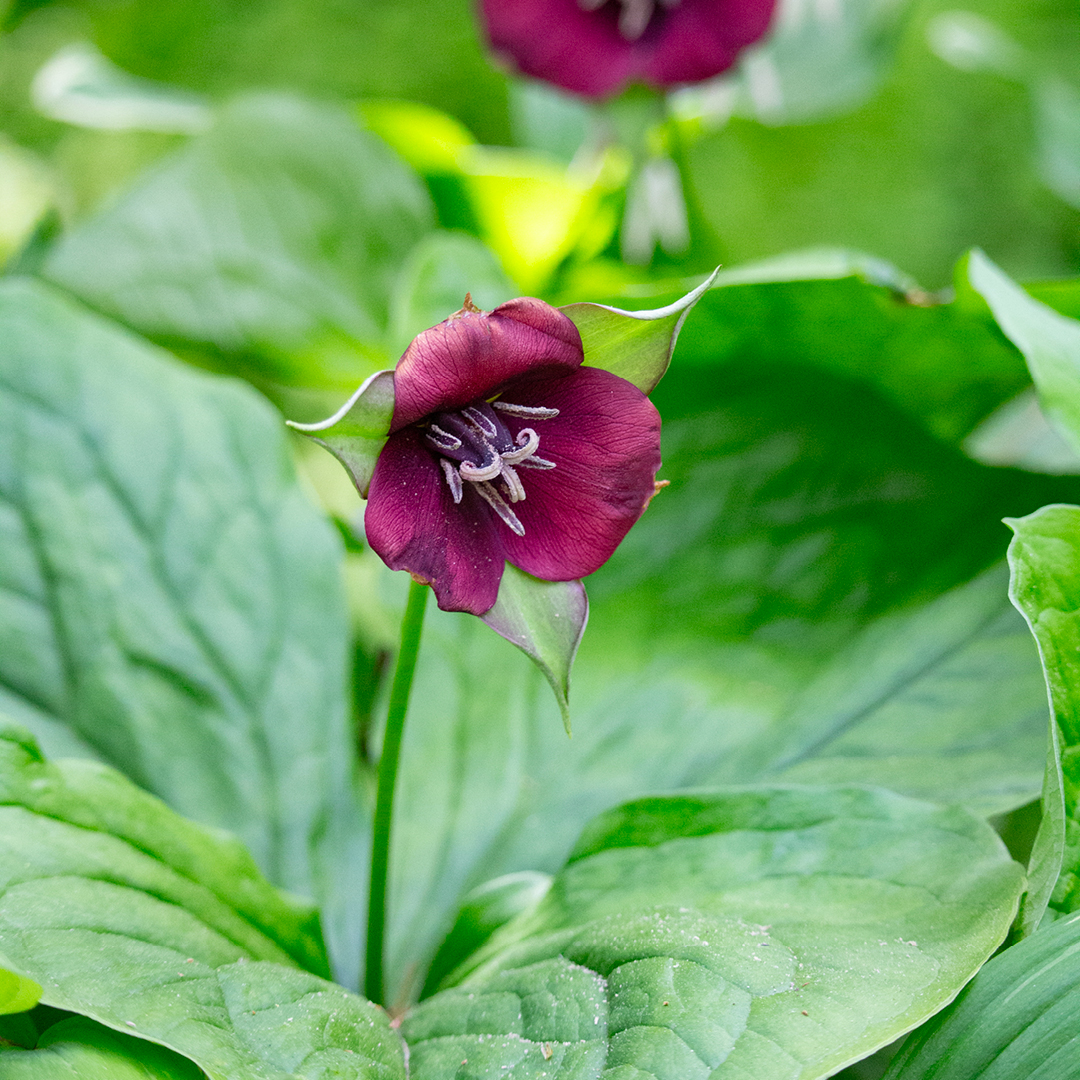
- Ground-Level Shoots: Early-emerging perennials like bloodroot, trillium, and Virginia bluebells send up basal shoots that can be distinguished from weeds by their smooth, often glossy texture.
- Flowering Before Leafing: Some natives bloom before their foliage fully develops. Hepatica, bloodroot, and spring beauties are prime examples, providing nectar for early pollinators.
- Leaf Shape and Texture: Young leaves often have unique shapes or colors. For example, mayapple emerges with umbrella-shaped leaves, while jack-in-the-pulpit produces a distinctive hooded foliage. Observing these traits can confirm species identity before flowering occurs.
- Soil and Microclimate Clues: Many early natives prefer specific conditions. Moist woodland areas may host trillium and wild ginger, while drier, well-drained slopes encourage wild columbine and native geraniums.
Observing Growth Patterns
Native plants often emerge in a predictable sequence, from the earliest ephemerals to later perennials. Maintaining a garden journal or photographing early growth can help track which species emerge first, assisting with future landscape planning and providing insight into seasonal variations.
Encouraging Early Growth
While native plants are adapted to local conditions, gardeners can support healthy early emergence by:
- Applying a thin layer of mulch in late winter to moderate soil temperature.
- Ensuring adequate moisture without waterlogging.
- Avoiding early fertilization that may stimulate excessive tender growth susceptible to frost damage.
Benefits of Recognizing Early Natives
Identifying early-emerging native plants provides multiple advantages. These plants often:
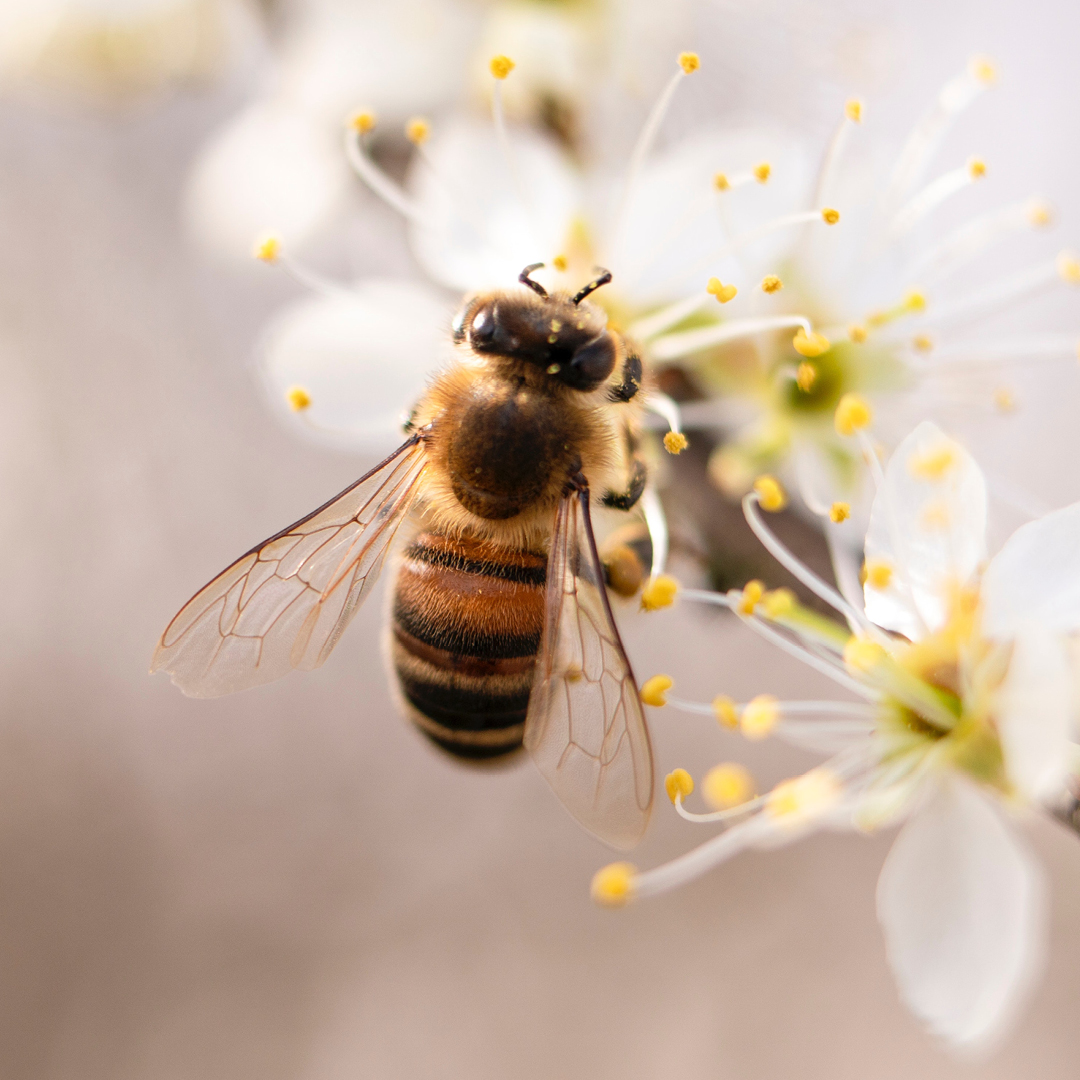
- Supply essential nectar and pollen for emerging pollinators.
- Establish a foundation for layered plantings that provide continuous interest throughout the season.
- Serve as indicators of soil health and microclimate suitability for other plantings.
By paying attention to subtle cues and familiarizing yourself with native species’ early growth traits, you can foster a thriving, biodiverse garden that supports wildlife and celebrates seasonal change.
Ginger Valley encourages gardeners to take a closer look each spring and discover the first signs of life that herald the season ahead.