Top Early-Blooming Native Perennials for Your Pollinator Garden
As winter fades and the days grow longer, the first hungry pollinators emerge in search of nectar. Unfortunately, many landscapes are still waking up, leaving a critical food gap for early-season bees and hummingbirds.
At Ginger Valley, we believe in gardening with a purpose. By incorporating early-blooming native perennials, you can provide essential resources for local wildlife while adding a splash of color to your spring landscape. Here are seven of our favorite “early risers” to get your garden buzzing.
7 Essential Early Natives
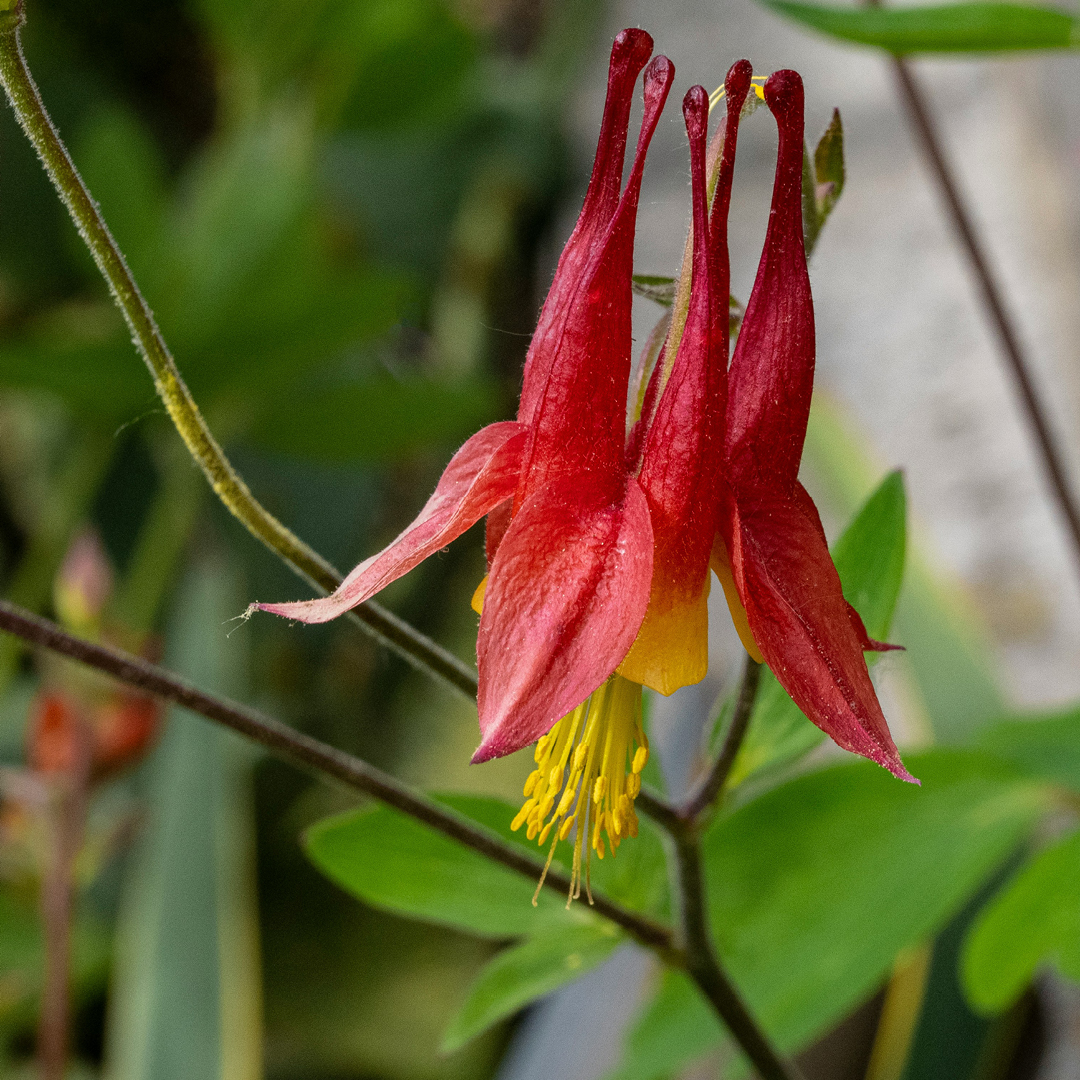
- Wild Columbine (Aquilegia canadensis): Known for its nodding, lantern-like red and yellow blossoms, this woodland favorite is a magnet for returning hummingbirds. It thrives in part shade and blooms in late spring when few other sources are available.
- Golden Alexander (Zizia aurea): This reliable perennial offers bright yellow umbels that attract small bees and wasps. It’s also a vital host plant for Black Swallowtail butterfly larvae, making it a dual-purpose powerhouse for your garden.
- Virginia Bluebells (Mertensia virginica): A classic spring ephemeral, these stunning trumpet-shaped flowers transition from pink buds to brilliant blue blooms. They naturalize beautifully in moist, shaded areas, providing early nectar before fading back in summer.
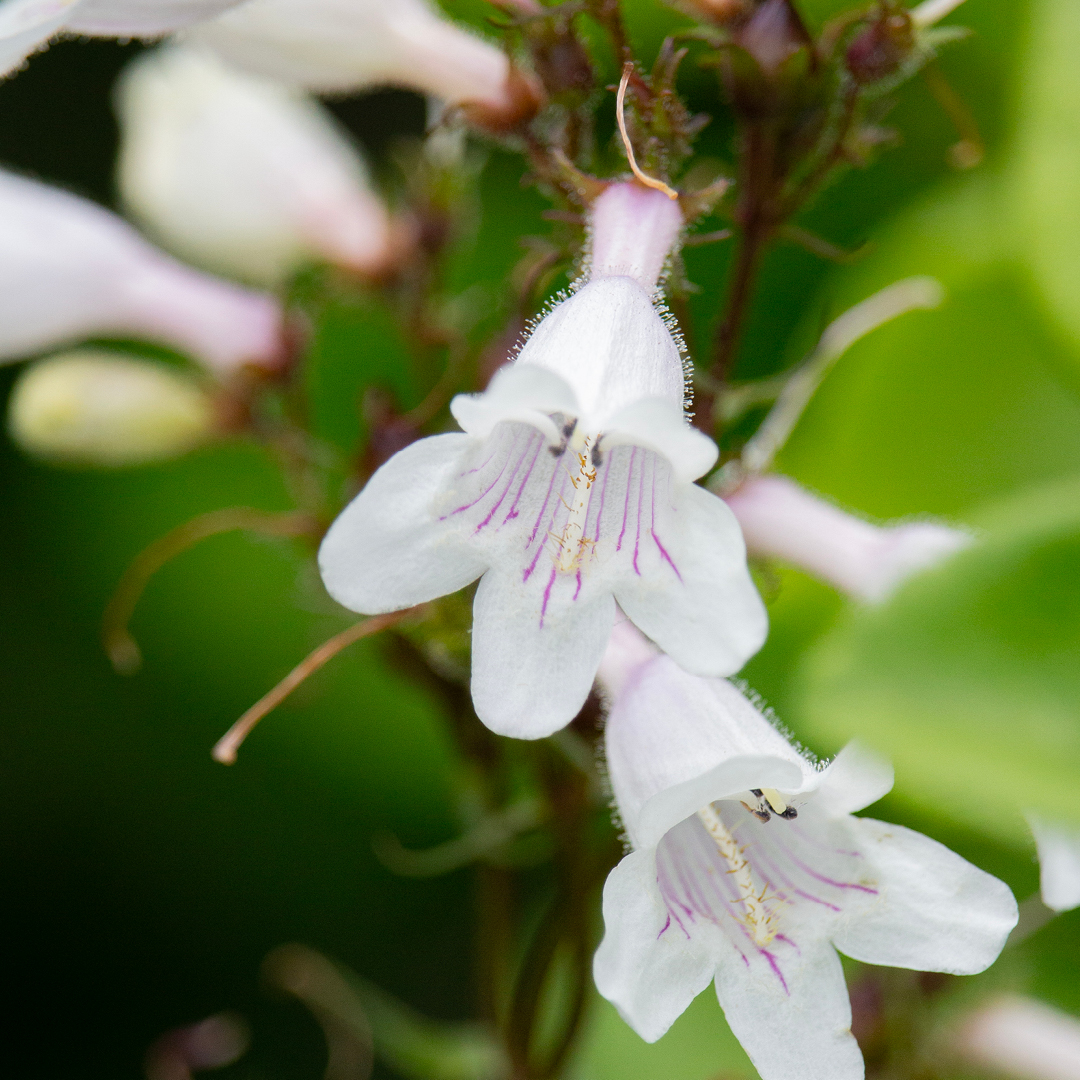
- Foxglove Beardtongue (Penstemon digitalis): Adding upright structure to the garden, these white, tubular flowers are perfect for long-tongued bees. It’s highly adaptable, drought-tolerant, and supports specialist species like the Penstemon miner bee.
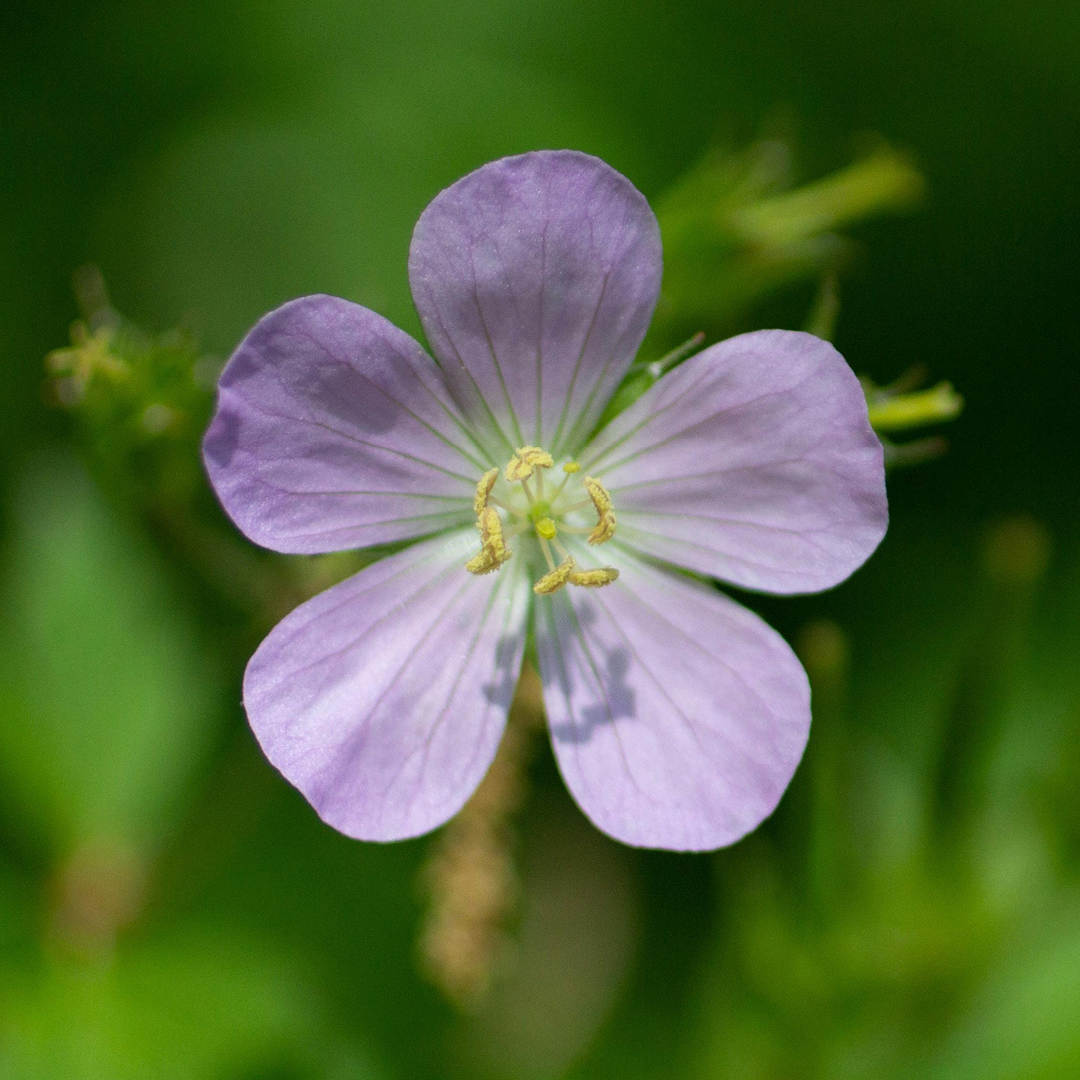
- Wild Geranium (Geranium maculatum): One of the most reliable natives for shade, Wild Geranium produces soft lavender-pink blooms. It is an excellent nectar source for bumble bees and hoverflies in woodland settings.
- Prairie Smoke (Geum triflorum): Famous for its pink, nodding flowers that turn into feathery seed plumes, this low-growing plant offers great texture. It provides early-season pollen for ground-nesting bees.
- Foamflower (Tiarella cordifolia): With airy white flowers, Foamflower is an ideal ground cover for shady spots. It spreads gently and offers long-lasting blooms for hungry insects.
Design Tips for a Pollinator Haven
- Plant in Drifts: Grouping at least 3–5 plants of the same species helps pollinators forage more efficiently than single, isolated plants.
- Ensure Continuous Blooms: Pair these early bloomers with summer and fall favorites like Coneflower and Goldenrod to provide food all season long.
- Leave the Leaves: Don’t be too tidy! Leaf litter and hollow stems provide essential nesting habitat for the insects you are trying to attract.
Start Your Season with Us!
Ready to transform your spring landscape into an ecological hub? Whether you are starting from scratch or filling in gaps, we are here to help. Visit Ginger Valley today to explore our selection of regionally appropriate native plants and get expert advice on the best species for your space.